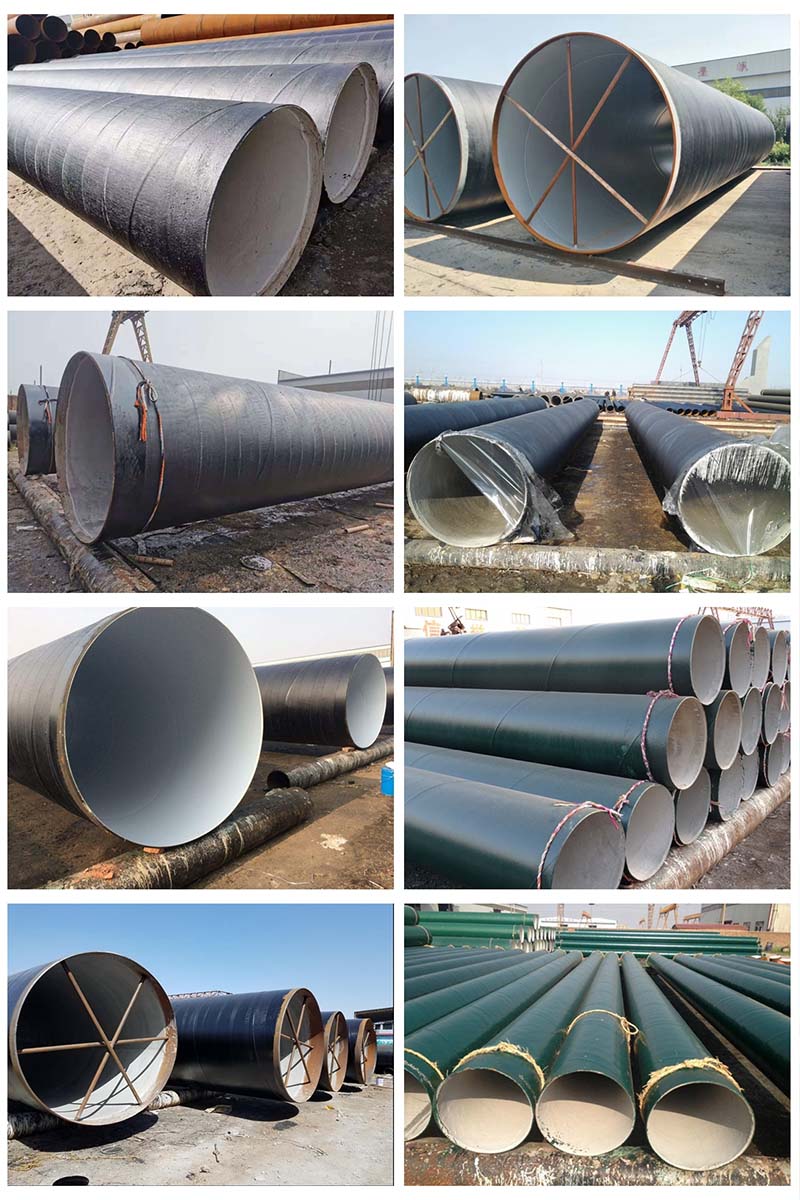
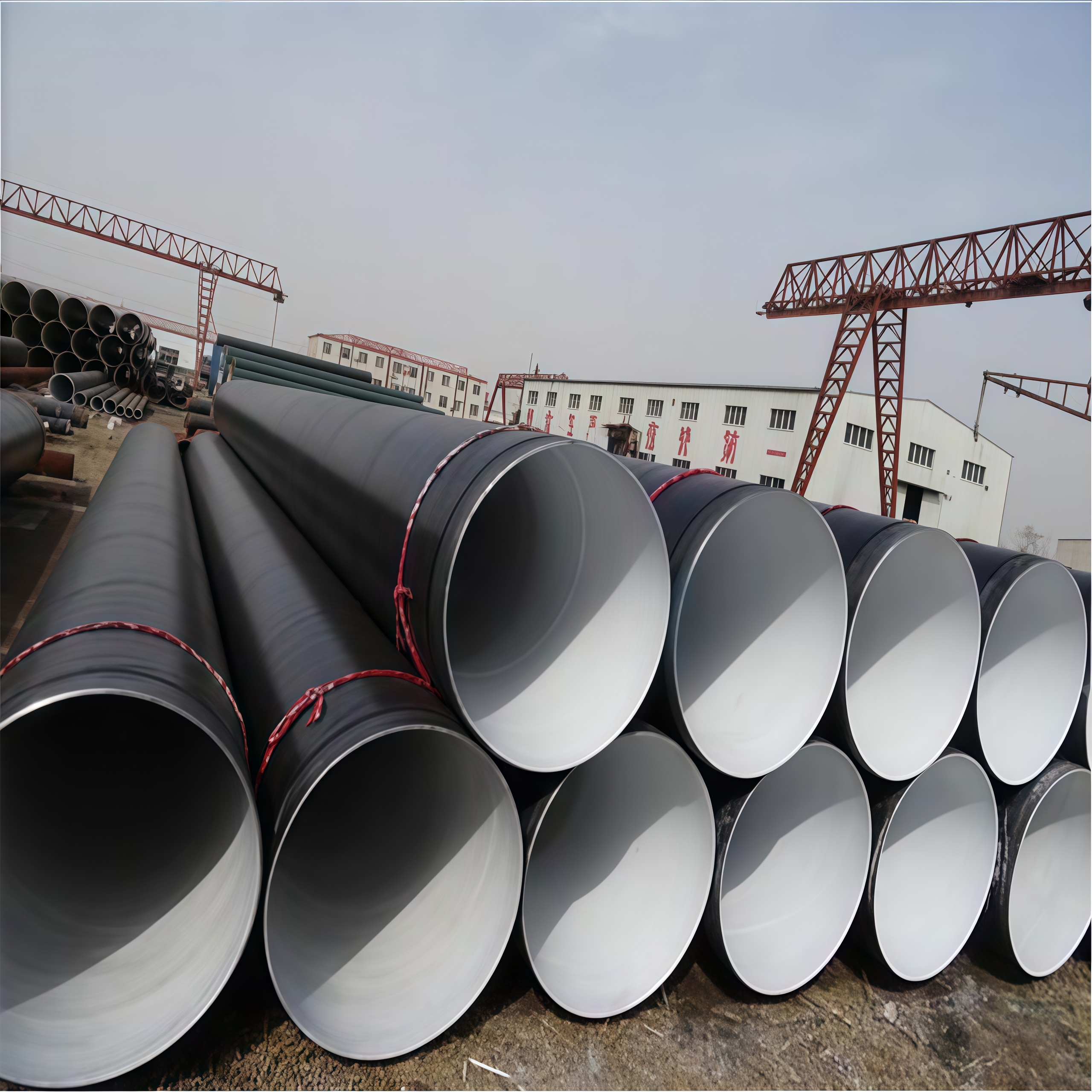
Cement mortar anti-corrosion steel pipe
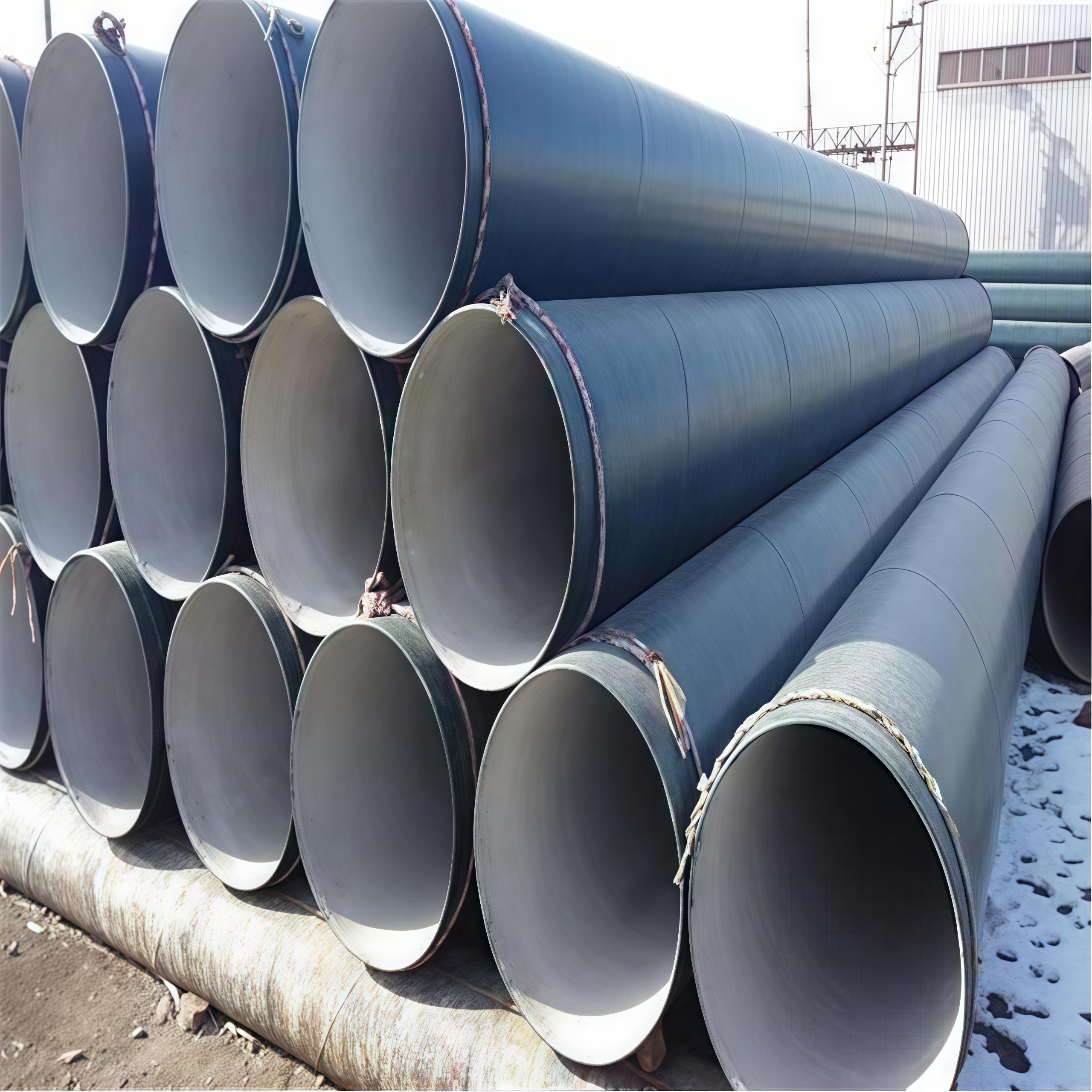
Hongkehua Pipeline Equipment Manufacturing Co., Ltd. is a large specialized company that integrates research and development, production, and operation. The company can process and manufacture according to the special requirements provided by users, ensuring product quality, service quality, and making customers more satisfied. Welcome friends from all walks of life to visit for guidance and business negotiations!
Cement mortar anti-corrosion steel pipes are filled with concrete, which can absorb a large amount of heat energy. Therefore, when subjected to a fire, the temperature distribution of the pipe column section is very uneven, which increases the fire resistance time of the column, slows down the heating rate of the steel column, and once the steel column yields, the concrete can bear most of the axial load, preventing structural collapse. The fire resistance of composite beams will also be improved, as the temperature of the steel beams will be reduced by transferring heat from the top flange to the concrete. Experimental statistical data shows that meeting the requirement of 3 hours of fire resistance can save 1/3 to 2/3 or even more fireproof coatings compared to steel columns. As the diameter of the steel pipe increases, more coatings can be saved.
The grades of cement mortar anti-corrosion steel pipe mortar include M3, M5, M7.5, M10, M12.5, M15, M20, M25, M30, M40. Mortar is divided into several types according to its use, including masonry, plastering, and jointing, regardless of its grade. After the completion of cement mortar work, there is an important process, which is air drying. It refers to drying in the wind for 2-3 days in a natural state. Mainly to prevent cracks in cement mortar caused by bumps during shipment.
The performance of steel components under external forces still has a certain impact. It may have adverse effects on deformation, stability, fatigue resistance, and other aspects. Hot rolled steel products are difficult to control in terms of thickness and edge width. We are familiar with thermal expansion and contraction, because even if the length and thickness meet the standards during hot rolling at the beginning, there will still be a certain negative difference after cooling. The wider the edge width and the thicker the thickness, the more obvious this negative difference is. So for large-sized steel, it is not possible to demand too accurate information about the width, thickness, length, angle, and edge lines of the steel.
1. Cement mortar lined anti-corrosion steel pipes are used for: municipal engineering: suitable for high-rise building water supply, heating network, tap water engineering, gas transmission, buried water transmission and other pipelines.
2. Petroleum: Process pipelines used for transporting corrosive media in industries such as petroleum transportation pipelines, chemical pharmaceuticals, and printing and dyeing.
3. Sewage treatment: sewage treatment discharge pipes, sewage pipes, and biological tank anti-corrosion engineering
4. Agriculture: Agricultural irrigation pipes, deep well pipes, drainage pipes and other networks have better corrosion resistance than steel structures, which is beneficial for the fire resistance and prevention of steel pipes.