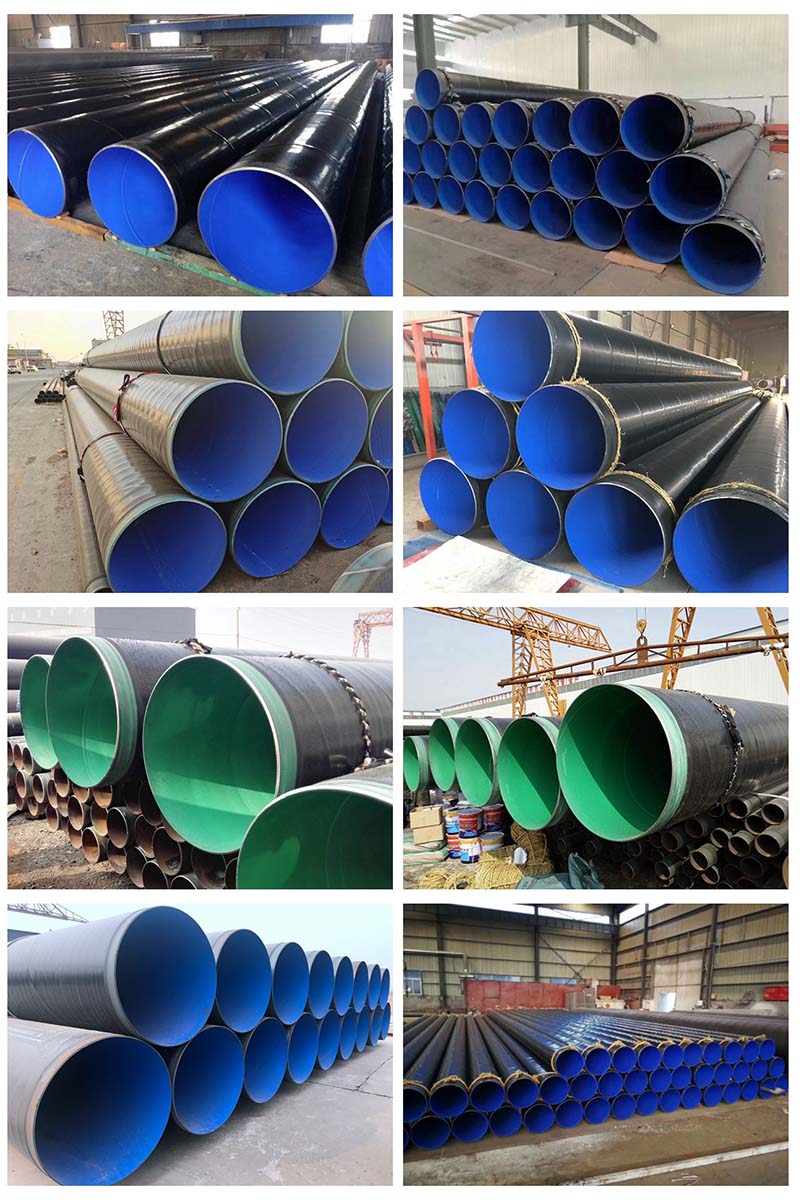
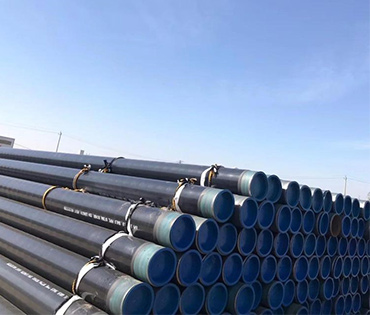
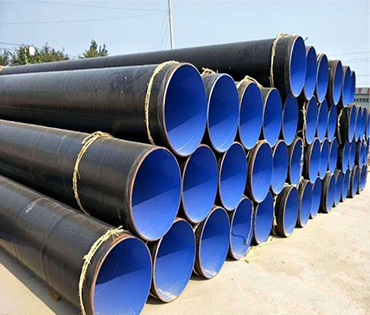
TPEP anti-corrosion steel pipe
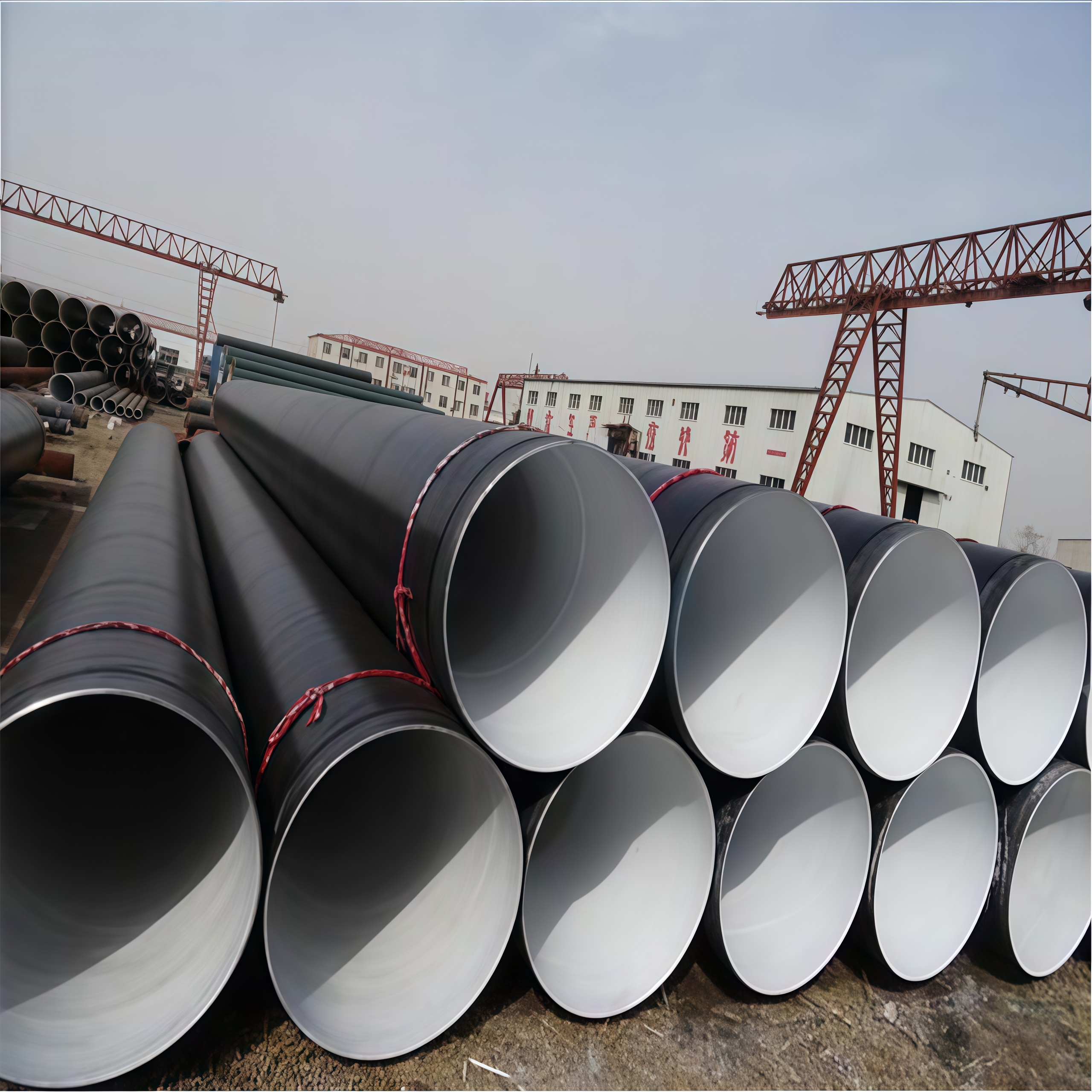
TPEP anti-corrosion pipeline coating anti-corrosion is one of the basic methods for steel pipe anti-corrosion, which is to evenly and densely apply the coating on the surface of the rust removed metal pipeline to isolate it from various corrosive media. TPEP anti-corrosion pipeline anti-corrosion coatings are increasingly using composite materials or composite structures. These materials and structures should have good dielectric properties, physical properties, stable chemical properties, and a wide temperature adaptability range.
(1) External anti-corrosion coating: Types and usage conditions of pipeline external wall coating materials.
(2) Inner wall anti-corrosion coating: a thin film applied to the inner wall of a pipe to prevent corrosion, reduce frictional resistance, and increase throughput. The commonly used materials include epoxy resin powder and polyamide epoxy resin, with a coating thickness of 200-800 microns. To ensure a strong bond between the coating and the pipe wall, surface treatment must be carried out on the inner wall of the pipe. Since the 1970s, there has been a trend towards using the same material for the coating of both the inner and outer walls of pipes, in order to achieve simultaneous coating.
TPEP anti-corrosion pipeline is an upgraded product based on the outer single-layer polyethylene and inner epoxy composite steel pipe, and is currently an excellent form of steel pipe anti-corrosion for buried long-distance pipelines. The new anti-corrosion production line for large-diameter pipelines adopts a three-layer structure of anti-corrosion coating on the outer wall using hot melt bonding and winding technology, with the bottom layer of epoxy resin, the middle layer of adhesive, and the outer layer of polyethylene. The inner wall adopts a thermal spray epoxy powder anti-corrosion method, where the powder is uniformly coated on the surface of the pipe body after high-temperature heating and fusion, forming a steel plastic alloy layer, abbreviated as TPEP steel pipe (T, the first letter of three layers in English, PE refers to polyethylene, EP refers to epoxy resin). Improved coating adhesion and thickness, enhanced resistance to bumps and corrosion. The price of TPEP steel pipe is almost the same as that of single-layer polyethylene internal fusion bonded epoxy composite steel pipe, and its corrosion resistance is increased by 3-5 times.
Advantages of TPEP anti-corrosion pipeline:
1. TPEP anti-corrosion pipelines are excellent anti-corrosion products both domestically and internationally, with a service life of over 50 years. External 3PE anti-corrosion is an imported technology from Russia with a history of nearly 100 years, while the internal coating is a hot-melt epoxy powder coating. The imported technology from Japan has also been in use for 70 years.
2. The inner wall is smooth, with a roughness of 0.0081-0.0091 (tested by a scientific research institute) and low head loss. The diameter of the medium can be reduced by one level when conveying the same flow rate.
3. Strong adaptability to terrain. Steel pipes have strong flexibility.
4. Easy to install and reliable. The length of a single pipe can reach 12 meters, with the connection port reduced by half.
5. The inner wall is smooth without scaling.