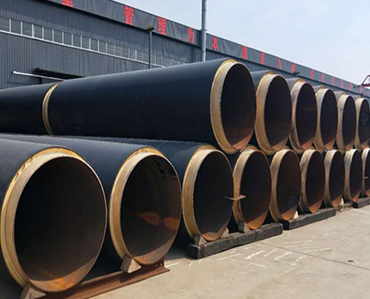
The new green building regulations have spurred a huge market, and environmentally friendly coated steel pipes have experienced explosive growth
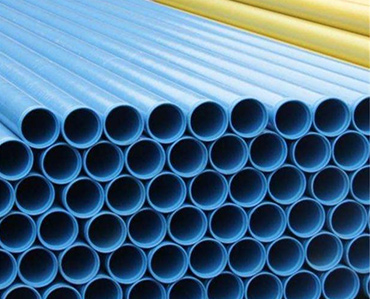
With the deepening implementation of the national "Design Standard for Building Water Supply and Drainage" GB50015, as well as the increasing emphasis on green buildings, high-quality drinking water, and fire safety in various regions, environmentally friendly coated steel pipes, as an upgraded substitute for traditional galvanized steel pipes, are experiencing explosive growth in market demand. Recently, in the bidding for water supply and fire protection system projects in many large public buildings, high-end residential communities, hospitals and schools across the country, the winning rate of coated steel pipes has exceeded 70%, becoming the absolute mainstream of pipeline materials.
Coated steel pipes, with their outstanding advantages of smooth inner walls, low water resistance, no scaling, non-toxic and pollution-free, completely solve the stubborn problem of galvanized pipes rusting and producing "yellow water", and ensure the safety of terminal water quality. In the field of fire protection, its excellent corrosion resistance and pressure bearing capacity ensure the absolute reliability of the fire protection system during long-term static and emergency start-up. This market growth is not only reflected in quantity, but also in technological upgrades. The new generation of epoxy resin, polyethylene (PE) or polyurethane (PU) powder coating technology, combined with more advanced preheating, internal spraying and external spraying processes, enables stronger adhesion and more uniform thickness of the coating, with a service life of over 50 years.
Industry experts point out that this wave of growth is not only driven by policy enforcement, but also an inevitable result of the market's increasing demand for building quality and safety. It is expected that in the next five years, coated steel pipes will be fully replaced in the field of civil construction, and expanded to broader areas such as industrial special medium transportation and modern agricultural irrigation, forming a green building materials industry sector with an annual output value exceeding 100 billion yuan.