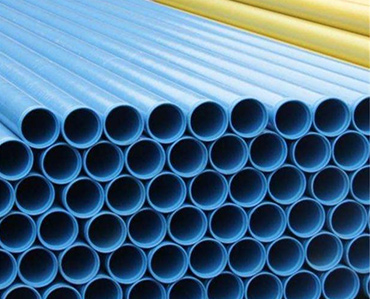
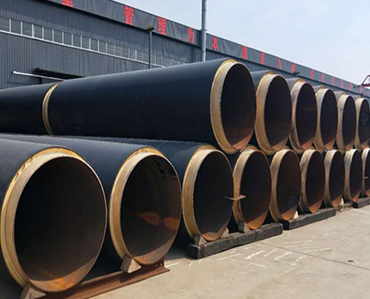
Drinking water safety is further guaranteed, and the new IPN8710 non-toxic coating anti-corrosion steel pipe has passed the national health and safety certification
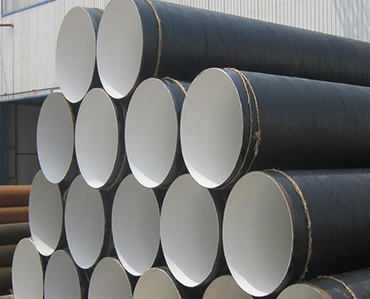
The safety standards for drinking water transportation in our country have once again seen substantial improvement. Recently, the new generation IPN8710 series of anti-corrosion coatings and steel pipes for drinking water, jointly developed by multiple leading domestic enterprises, have successfully passed the comprehensive health and safety performance certification of authoritative institutions such as the Chinese Center for Disease Control and Prevention. This certification marks that the precipitation of such anti-corrosion materials in long-term contact with drinking water fully meets and exceeds the latest national standard for hygiene and safety evaluation of drinking water transmission and distribution equipment and protective materials, providing reliable guarantee for the safety of drinking water on the "last mile".
IPN8710, as a coating composed of epoxy resin and polyurethane interpenetrating network, is known for its excellent corrosion resistance, adhesion, and flexibility. It is the core anti-corrosion material for urban water supply, reclaimed water reuse and other systems. The newly certified product has focused on overcoming technical bottlenecks such as trace organic matter migration (TOC) and heavy metal ion precipitation that may exist in traditional formulas. By innovating the resin synthesis process and optimizing the curing system, the coating has been ensured to have stable performance in long-term water immersion environments without the release of any harmful substances.
With the continuous increase in the country's efforts to renovate old water supply networks, as well as the growing demand for new high-quality water plants and communities, this certification provides a clear "safe list" for water companies and engineering parties in various regions in material selection. It is expected that this product will be widely used in the renovation of municipal water supply main networks, high-quality direct drinking water system projects, and the construction of large-scale community secondary water supply pipelines nationwide, safeguarding the health of public drinking water from the source of materials.